How to Use Video to Strengthen Your Social Media Strategy
Image Credit: Pexels
Social media feeds are increasingly visual. Video content, more than anything else, grabs user attention. While static images and text still have their place, video's dynamic and engaging nature consistently drives higher interaction and keeps people watching longer. For businesses wanting to stand out and truly connect with followers, mastering video isn't just an option anymore; it's essential.
This shift to video-first content demands a smart approach. It's not enough to just post any video. You need to create content that tells a story, resonates with your audience, and is optimised for the platform you're sharing it on. Whether it's short, snappy clips on TikTok or more detailed tutorials on YouTube, knowing how to use video effectively can turn your social media presence from quiet to powerful.
Why Video Dominates Social Platforms
Video dominates social media because it can share information and emotion quickly. Our brains are wired to process visuals faster than text, and video's movement and sound make it naturally more captivating. This format lets brands show off products, reveal their personality, and share customer stories in a way that feels real and personal.
Platforms like Instagram, Facebook, and TikTok place a strong emphasis on video, with formats such as Reels and Stories giving brands additional opportunities to capture attention and encourage engagement. This algorithmic preference directly reflects how users behave: people spend more time on platforms that offer a steady stream of engaging video. For brands, this means putting effort into video is putting effort into visibility. It's a direct way to reach a wider audience, often without increasing ad spend.
Crafting Compelling Social Stories
A good social media video does more than just show a product; it tells a story. Your content should have a clear beginning, middle, and end, even if it's only 15 seconds long. Start with a strong hook to stop people from scrolling, introduce a problem or idea in the middle, and finish with a clear solution or a call to action. This story structure makes your content memorable and encourages viewers to watch all the way through. Think about the emotion you want to create – is it excitement, curiosity, or trust? Build your story around that feeling.
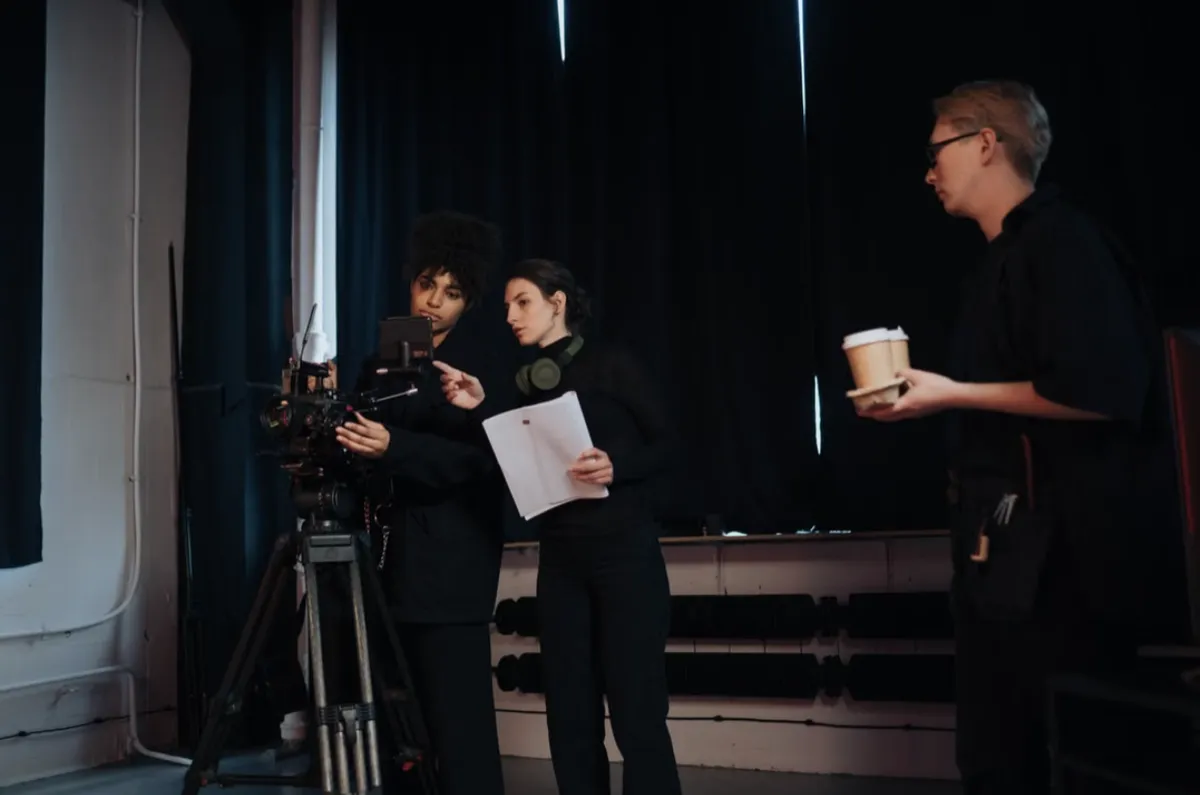
Making effective social media content strategies takes practice and a deep understanding of your audience. If you have a clear vision but lack the technical skills or equipment to bring it to life, working with a professional video production company can help. From filming and editing to shaping the visual style of your content, professional video production can give you polished footage that is ready to adapt for different social platforms. This allows you to focus on the message and audience while experienced professionals handle the production side.
Optimising Video for Different Channels
Not all social media platforms are the same, so your video content should be tailored for each. A landscape-format video that works perfectly on YouTube won't do well on Instagram Stories or TikTok, where a vertical 9:16 aspect ratio is standard. Beyond technical details, the tone and length of your videos should also fit the platform's culture.
Instagram & Facebook Stories/Reels: These need short, punchy vertical videos with captions, as many users watch without sound. They're great for behind-the-scenes glimpses, quick tips, or trending challenges.
TikTok: This platform thrives on creativity, authenticity, and humour. Videos should be fast-paced and often use trending sounds or effects.
LinkedIn: Video content here should be more professional and focused on your industry. Think expert interviews, company news, or short educational explainers.
YouTube: This is the place for longer videos. It's perfect for detailed tutorials, in-depth product reviews, webinars, and vlogs.
By creating engaging and effective social media content for each specific channel, you show your audience that you understand the platform and respect their time.
Partnering for Professional Video Content
While smartphone cameras are incredibly capable, sometimes DIY video isn't enough to hit your marketing goals. Launching a new product, running a high-stakes brand awareness campaign, or producing a detailed training series often needs a level of polish that only professional production can provide. High-quality lighting, clear audio, and smooth editing can improve how your brand is seen and build trust with your audience. A professional team also brings strategic insights, helping you refine your concept and ensure the final product achieves its goals. Strong team collaboration can also make the content creation process more efficient, particularly when different people are responsible for strategy, creative direction, filming, and editing. This collaboration lets you focus on your main business while experienced professionals handle the technical and creative complexities of video production.
Measuring Video Performance on Socials
Creating great video content is only half the battle; you also need to measure its performance to see what's working. Most social media platforms offer built-in analytics that give valuable insights into your video's impact. Key things to track include:
View Count: How many times your video has been watched in total.
Watch Time & Audience Retention: On average, how long people watch your video. A sharp drop-off early on might mean your hook isn't strong enough.
Engagement Rate: The number of likes, comments, shares, and saves compared to your view count. This shows how much your content connected with viewers.
Click-Through Rate (CTR): If your video includes a link, this measures how many people clicked it.
Regularly checking these metrics will help you spot trends, refine your content strategy, and make data-driven decisions to improve future video campaigns.
Ultimately, adding video to your social media strategy is about building a more dynamic and human connection with your audience. Focusing on storytelling and optimising for each platform will significantly boost engagement and help you reach your marketing goals.
